What Is STAR Certified Smog Testing & How It Improves Air Quality
April 25, 2026
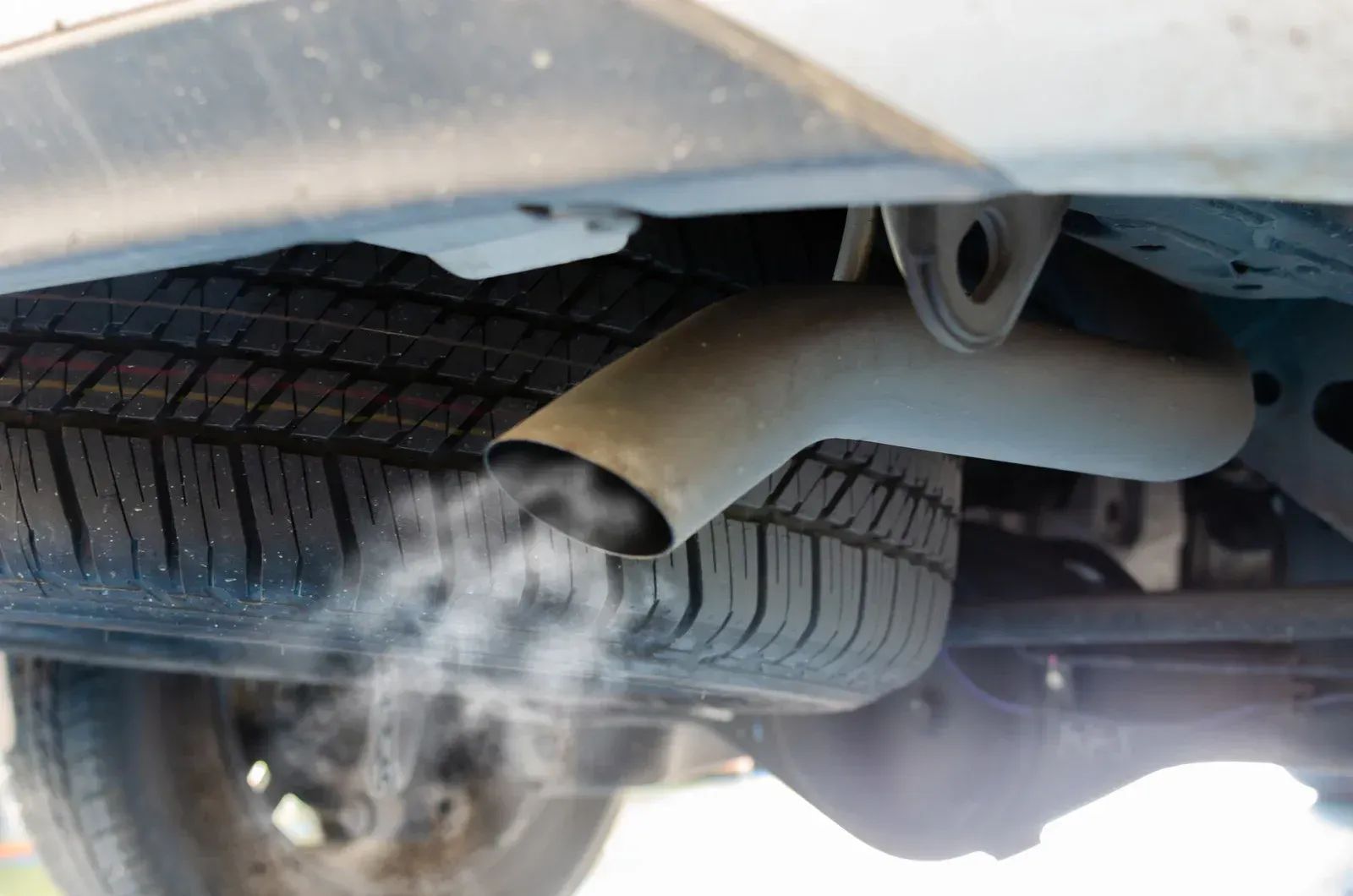
Air pollution continues to be one of the most pressing environmental challenges, particularly in regions with heavy vehicular traffic and dense populations. Automotive emissions contribute a significant portion of harmful pollutants, including nitrogen oxides (NOx), volatile organic compounds (VOCs), and carbon monoxide (CO), which directly impact air quality and public health. Regulatory agencies have developed strict emission standards to mitigate these effects, ensuring vehicles meet specific environmental criteria before operating on the road. Among these initiatives, STAR Certified Smog Testing stands out as a critical program designed to maintain cleaner air while promoting sustainable automotive practices. By targeting high-emitting vehicles, STAR certification plays a pivotal role in reducing smog formation and protecting vulnerable populations from the long-term health impacts of air pollution. It also aligns with regional and federal environmental goals, making it an essential component of comprehensive air quality management strategies.
STAR Certified Smog Testing is a specialized form of vehicle emissions testing that exceeds standard smog check requirements. It is part of a broader environmental strategy aimed at reducing pollutant output from vehicles, especially in regions with severe air quality challenges. This certification not only ensures vehicles comply with rigorous emissions standards but also incentivizes drivers to maintain their vehicles in optimal condition. Understanding the mechanics, benefits, and broader impact of STAR Certified Smog Testing is essential for drivers, environmental advocates, and industry professionals seeking effective solutions to combat air pollution and improve public health outcomes. Additionally, STAR testing contributes to long-term environmental sustainability by promoting responsible vehicle maintenance, reducing greenhouse gas emissions, and encouraging technological innovation within the automotive industry. Communities benefit as a result, with cleaner air supporting overall public health and enhancing quality of life.
Understanding STAR Certification and Smog Testing
What STAR Certification Means
STAR Certification represents a higher tier within state-mandated smog testing programs. Unlike standard smog tests, STAR Certified facilities are specifically authorized to test vehicles in areas designated as having significant air quality concerns. The program is typically implemented in regions that are part of State Implementation Plans (SIPs) under the Clean Air Act, aimed at reducing ozone, particulate matter, and other harmful pollutants effectively. Vehicles tested under STAR Certified programs must meet stricter emission thresholds, ensuring only those that comply with rigorous environmental standards remain legally on the road.
How STAR Testing Differs from Regular Smog Checks
Regular smog checks primarily assess whether a vehicle meets baseline emission standards for its make and model year, which is usually adequate for standard compliance. STAR Certified tests, however, incorporate advanced diagnostic procedures, enhanced equipment, and more stringent pass/fail criteria. This ensures that vehicles contributing disproportionately to pollution are properly identified and repaired before returning to regular operation. Additionally, STAR Certified stations are continuously monitored for compliance, accuracy, and adherence to rigorous testing protocols, offering a higher level of reliability in emission testing results consistently.
Key Components of a STAR Smog Test
- Advanced Emission Analysis: Uses state-of-the-art analyzers to measure pollutants like NOx, CO, and hydrocarbons precisely.
- Vehicle Inspection: Checks critical emission-related components thoroughly, including catalytic converters, oxygen sensors, and exhaust systems.
- Data Verification: Ensures accurate reporting to regulatory authorities for compliance tracking and effective environmental planning.
- Follow-up Enforcement: Vehicles failing the test receive detailed guidance for repairs to meet the strict standards efficiently.
The Environmental Impact of STAR Certified Smog Testing
Reducing Harmful Vehicle Emissions
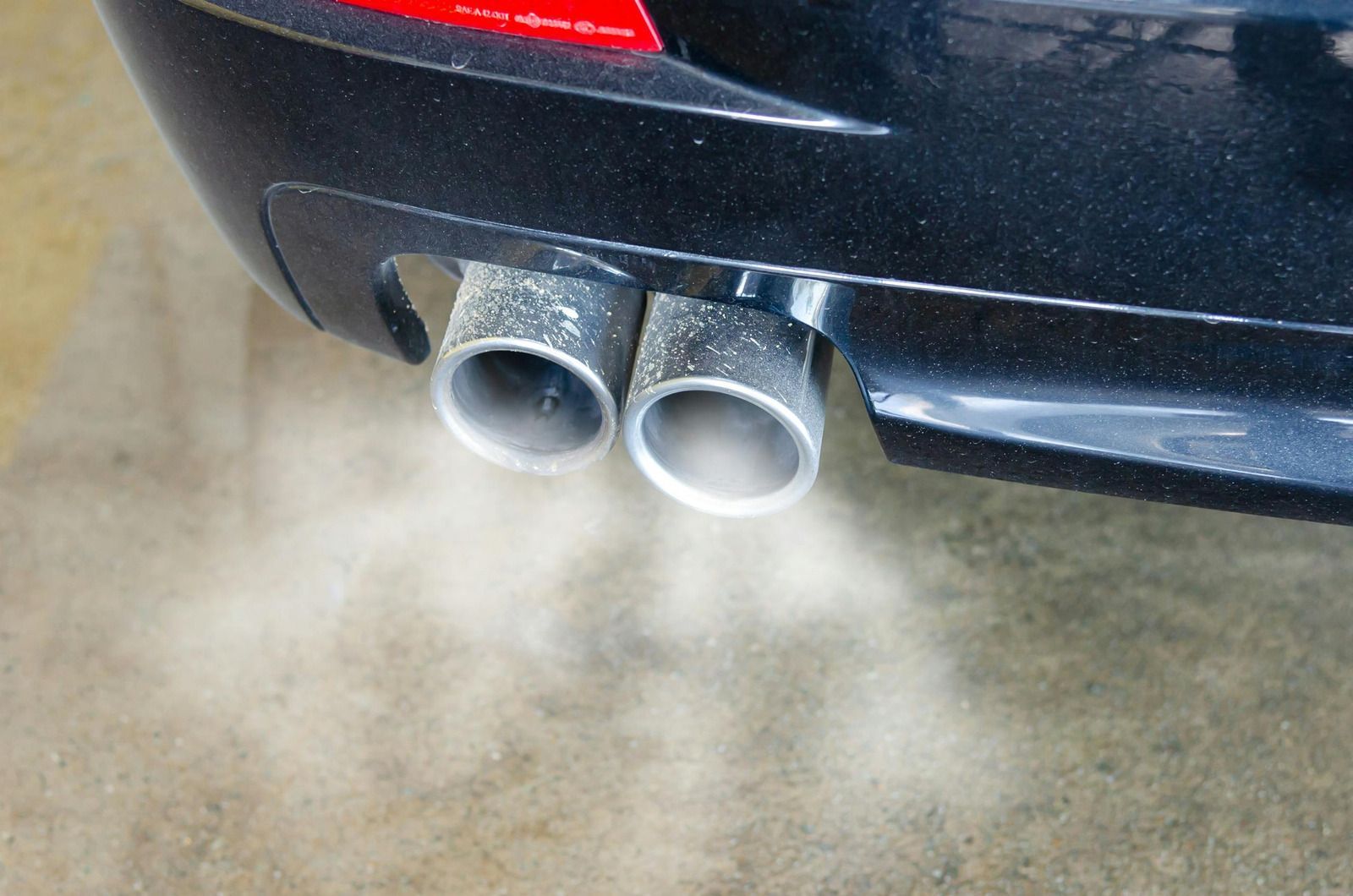
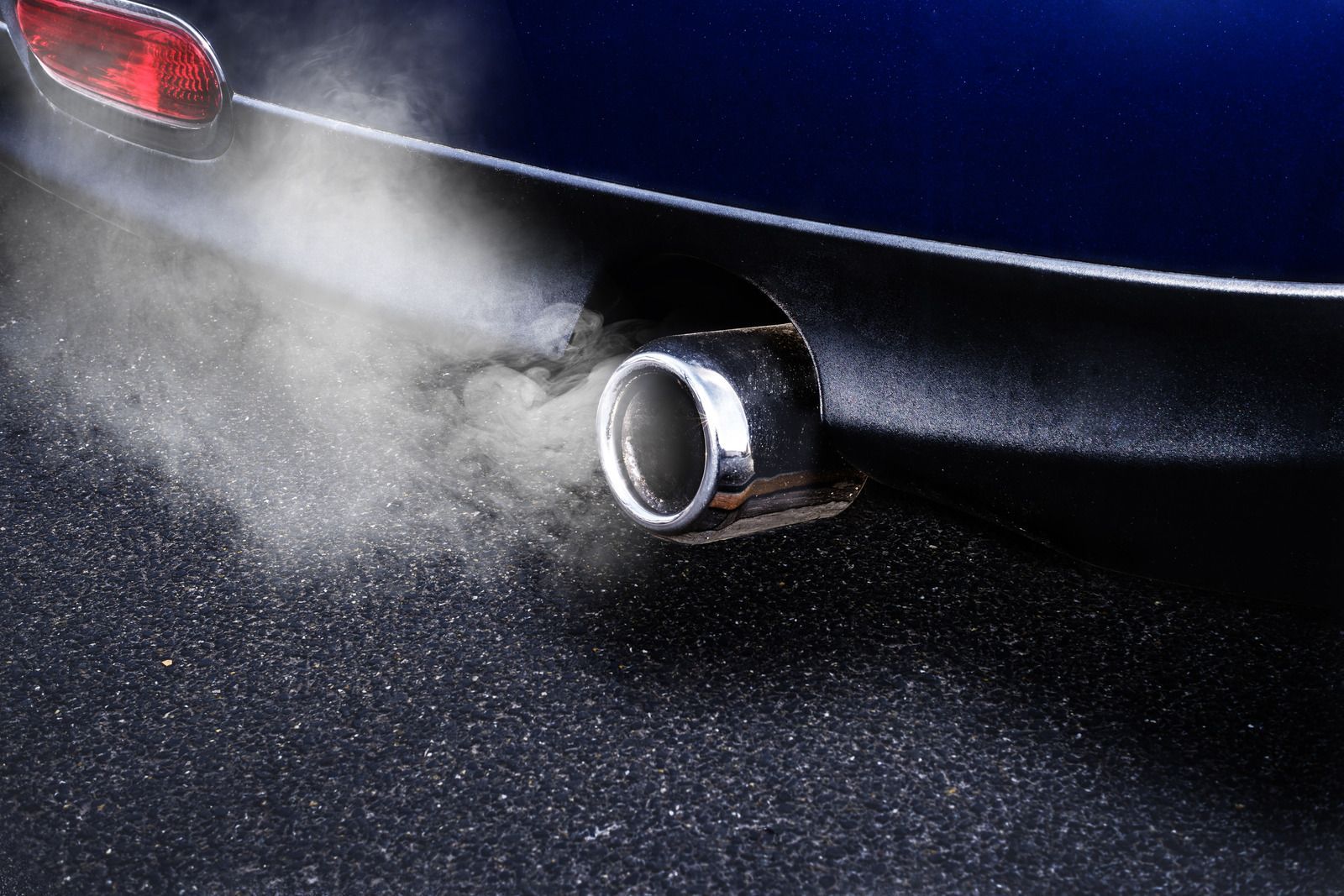
Automobiles are major contributors to urban air pollution, with aging vehicles often producing disproportionately high emissions compared to newer models. STAR Certified Smog Testing specifically targets these vehicles, ensuring they meet enhanced standards consistently. By detecting excess emissions early, the program prevents harmful pollutants from entering the atmosphere unnecessarily. In areas prone to smog formation, such as valleys and densely populated urban centers, this reduction is critical for maintaining public health and environmental quality effectively.
Real-World Air Quality Improvements
Studies in regions with STAR Certified programs have shown measurable improvements in local air quality indicators over time. For example, areas with high participation rates in STAR testing report lower ground-level ozone concentrations and fewer respiratory-related health complaints among residents. By systematically identifying and mitigating high-polluting vehicles, STAR Certified testing contributes to cleaner skies and more breathable air for communities consistently over the years.
Supporting Broader Environmental Initiatives
STAR Certified Smog Testing complements other environmental initiatives effectively, such as low-emission vehicle incentives, public transit expansions, and green infrastructure projects. It acts as a preventive mechanism that reinforces these programs by reducing the pollution baseline, ensuring that new investments in clean energy technologies yield maximum environmental benefits for the community.
How STAR Certified Testing Works
Step-by-Step Testing Process
- Appointment and Vehicle Registration: Vehicles are registered with the STAR Certified facility properly, ensuring eligibility and compliance with all regional requirements.
- Pre-Test Inspection: Critical emission-related components are visually and mechanically inspected to ensure complete readiness before testing.
- Emission Analysis: Advanced analyzers measure pollutant levels in exhaust gases, comparing results to regulatory thresholds precisely and accurately.
- Diagnostic Evaluation: Any anomalies detected are recorded, and vehicles are flagged for necessary repairs immediately.
- Certification or Repair Guidance: Passing vehicles receive STAR certification; those that fail are provided detailed repair recommendations to achieve compliance efficiently.
Common Tests Included
- Tailpipe Emissions Test: Measures NOx, CO, and hydrocarbons directly from the exhaust system accurately.
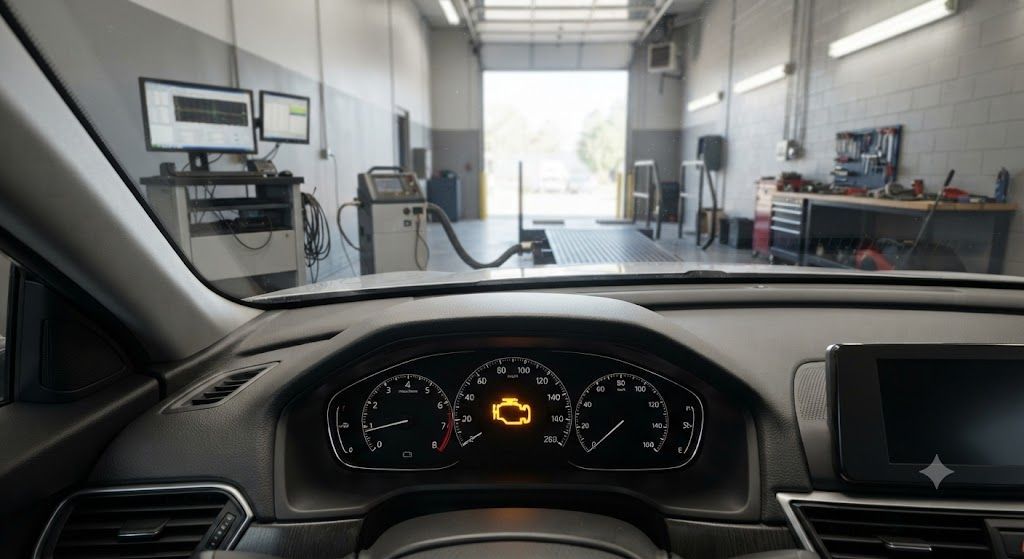
- On-Board Diagnostics (OBD) Check: Reviews the vehicle’s computer systems for emission-related malfunctions effectively.
- Visual Component Inspection: Confirms catalytic converters, gas caps, and fuel systems are intact and functioning properly without exception.
Example Scenario
Consider a city with high ozone levels and frequent air quality alerts for residents. Vehicles failing STAR tests are required to undergo emissions-related repairs before returning to the road legally. Over time, the cumulative effect of removing high-emitting vehicles leads to noticeable reductions in ozone formation, benefiting public health and environmental compliance efforts reliably.
Benefits of STAR Certified Smog Testing
Environmental Benefits
- Cleaner Air: Reduces pollutants that contribute significantly to smog and acid rain formation.
- Lower Health Risks: Decreases exposure to harmful emissions linked to serious respiratory and cardiovascular conditions.
- Support for Climate Goals: Contributes to broader greenhouse gas reduction initiatives consistently over time.
Vehicle Owner Benefits
- Improved Vehicle Efficiency: Regular maintenance and testing promote better fuel economy effectively.
- Extended Vehicle Lifespan: Addressing emission system issues prevents long-term damage reliably.
- Compliance Assurance: STAR certification ensures eligibility for vehicle registration in areas with strict emission laws fully.
Community and Economic Benefits
- Public Health Savings: Reduces costs associated with pollution-related illnesses effectively.
- Regulatory Compliance: Helps municipalities meet federal and state air quality standards consistently.
- Sustainable Urban Development: Supports the development of cleaner, safer transportation networks responsibly.
Challenges and Best Practices
Common Challenges
- High Initial Costs for Vehicle Owners: Some repairs required to meet STAR standards may be expensive upfront.
- Complex Diagnostic Requirements: Advanced testing requires specialized equipment and highly trained personnel.
- Vehicle Age Limitations: Older vehicles may struggle to meet stringent STAR emission thresholds consistently, creating compliance barriers.
Overcoming Challenges
- Incentive Programs: Rebates and repair assistance programs help offset costs for vehicle owners effectively.
- Education and Awareness: Informing drivers about maintenance and emission standards encourages proactive compliance regularly.
- Regular Maintenance: Preventive care ensures vehicles remain within emission thresholds, reducing the likelihood of failed tests reliably.
Best Practices for Compliance
- Schedule Routine Emission Checks: Early detection of potential failures reduces repair costs and environmental impact efficiently.
- Maintain Exhaust and Fuel Systems: Regular inspection of catalytic converters, oxygen sensors, and gas caps ensures optimal performance consistently.
- Use Certified Repair Facilities: Repairs performed by authorized and trained facilities maximize the effectiveness of STAR standards reliably.
STAR Certified Testing and Future Trends
Integration with Advanced Vehicle Technology
As hybrid and electric vehicles become more prevalent, STAR Certified programs are adapting to include advanced diagnostics and emission monitoring tools for these new technologies. This ensures that even alternative fuel vehicles contribute minimally to environmental pollution and meet evolving standards effectively.
Data-Driven Environmental Policy
STAR Certified facilities provide valuable emissions data to regulatory agencies, informing regional air quality planning and policy development efficiently. This real-time data helps identify pollution hotspots and design targeted interventions, improving the overall effectiveness of air quality programs consistently.
Promoting a Culture of Environmental Responsibility
By setting higher standards for vehicle emissions, STAR Certified programs encourage drivers and automotive service providers to prioritize sustainability consistently. Over time, this fosters a culture where environmental responsibility becomes integral to vehicle ownership and operation reliably.
Trusted Expertise in STAR Certified Smog Testing
STAR Certified Smog Testing represents a vital intersection between environmental regulation, public health, and automotive maintenance. By imposing stricter emission standards, utilizing advanced diagnostic tools, and enforcing rigorous testing protocols, STAR certification ensures vehicles contribute minimally to air pollution. Beyond individual compliance, the program plays a significant role in reducing ozone formation, lowering harmful pollutants, and supporting regional and national environmental goals. Drivers, regulatory agencies, and communities alike benefit from cleaner air, improved health outcomes, and sustainable transportation practices.
At Tri-City Smog, our mission is to provide reliable, precise State Emissions Testing Services that exceed regulatory requirements. Serving Temecula, California, and Menifee, California, for over 40
years, we combine extensive expertise with cutting-edge testing equipment to ensure every vehicle meets the highest emission standards. Our commitment to accuracy, transparency, and environmental responsibility makes us a trusted partner in protecting air quality and public health. Customers can rely on our experience, professionalism, and dedication to maintain cleaner, safer roads for the communities we serve.