Why STAR Smog Inspections Are Required — And How to Pass Yours
May 18, 2026
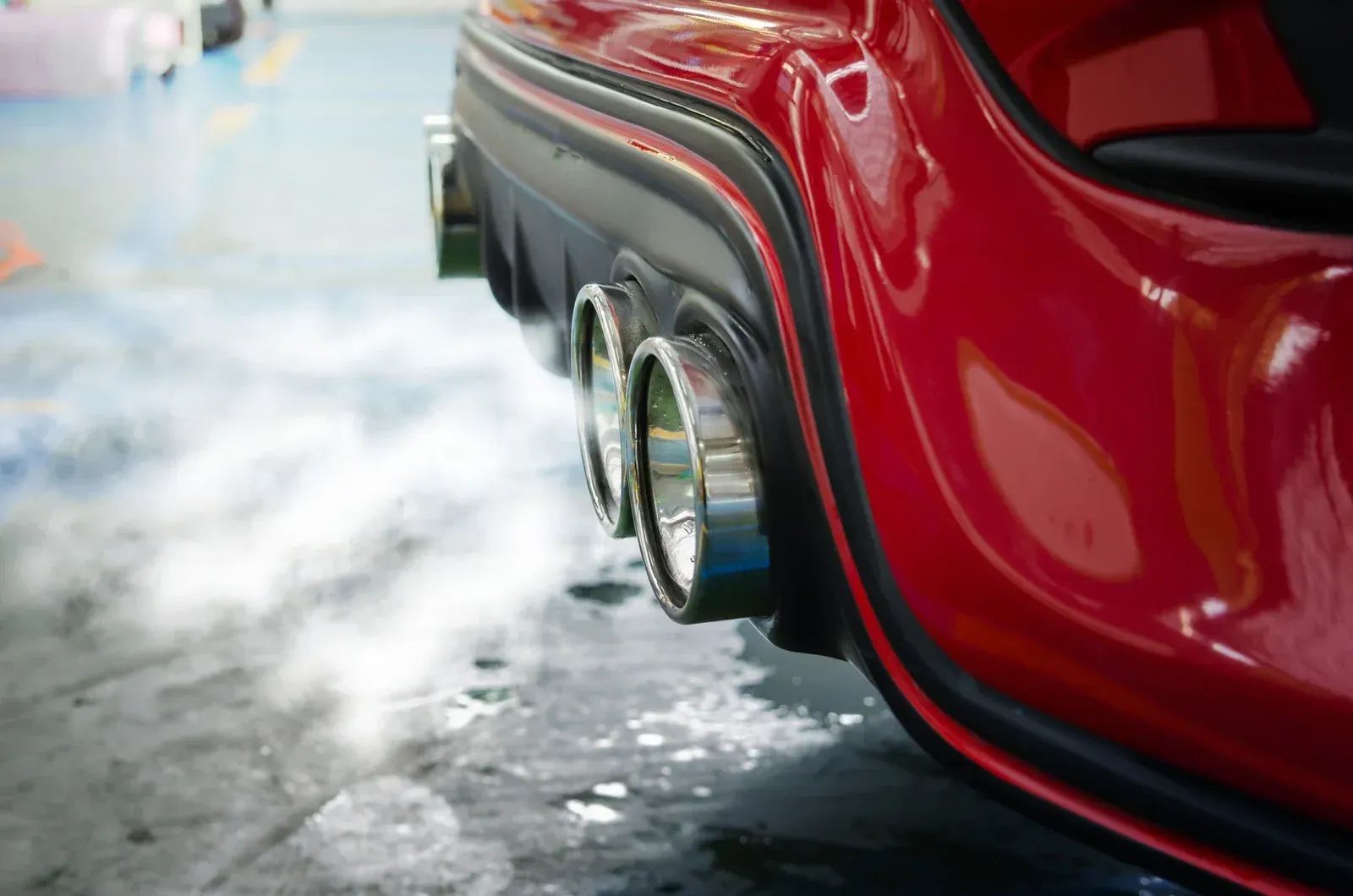
California has long been at the forefront of air quality regulation, implementing stringent measures to reduce vehicle emissions. Among these measures is the STAR Program, which plays a critical role in monitoring and controlling pollution levels across the state. STAR-certified smog inspections are designed not only to ensure that vehicles meet regulatory standards but also to protect public health by minimizing harmful emissions. For vehicle owners, understanding why these inspections are required and how to navigate the process effectively is essential for compliance, environmental stewardship, and maintaining vehicle performance. These inspections also provide valuable insights into a vehicle’s mechanical health, helping prevent costly repairs and breakdowns in the long term. As environmental concerns grow, the importance of adhering to these standards continues to increase.
Failing a STAR smog inspection can have immediate legal and financial consequences, including fines, registration delays, and costly repairs. Conversely, passing the inspection reinforces vehicle efficiency and contributes to cleaner air in urban and rural areas alike. Beyond legal compliance, a successful inspection signals that the vehicle is operating at optimal performance, reducing fuel consumption and extending engine life. This blog delves into the purpose of STAR smog inspections, the reasons they are mandatory in California, and practical steps for vehicle owners to ensure a smooth and successful testing experience. By offering actionable insights, real-world examples, and expert guidance, the following sections provide a comprehensive roadmap for navigating STAR inspections confidently and effectively, equipping owners with knowledge to maintain both vehicle longevity and environmental responsibility.
Understanding STAR Smog Inspections
What Is the STAR Program?
The STAR (Smog Check Technical Advisory Review) Program is a specialized branch of California’s broader smog check initiative. Its primary goal is to monitor vehicles in regions with the highest air quality concerns, ensuring that emissions are within legally established limits. Vehicles tested at STAR-certified stations undergo more rigorous standards than those at non-STAR facilities. This approach focuses on high-emission zones and vehicles more likely to exceed pollution thresholds, including older models and vehicles with previous smog failures.
Why STAR Stations Are Different
Not all smog check stations are STAR-certified. STAR stations must meet strict criteria for equipment calibration, technician certification, and accuracy reporting. The state uses these stations as a frontline defense against excessive vehicle emissions. STAR inspections include advanced diagnostic tools and enhanced testing procedures, allowing for a more precise measurement of pollutants like carbon monoxide (CO), hydrocarbons (HC), and nitrogen oxides (NOx).
Key Benefits of STAR Certification
STAR inspections offer multiple advantages beyond compliance. They help identify hidden engine or emissions issues, prolong vehicle life by promoting maintenance, and provide peace of mind for vehicle owners. Additionally, these inspections support statewide air quality goals by directly targeting the vehicles most likely to contribute to pollution.
Why STAR Smog Inspections Are Required
Environmental Impact
Vehicles contribute significantly to air pollution, especially in heavily populated areas of California. STAR inspections help reduce emissions that cause smog, respiratory problems, and environmental degradation. By enforcing stricter testing standards, the program ensures that high-emission vehicles are repaired or removed from the road, directly improving air quality.
Legal Mandates
California law requires certain vehicles to undergo STAR inspections. This requirement typically applies to vehicles registered in areas with high pollution levels or those that are part of specific emission categories. Compliance is not optional; failing to obtain a required STAR inspection can result in penalties, including vehicle registration holds or fines.
Protecting Public Health
The primary mission of the STAR Program is safeguarding public health. Vehicles with excessive emissions release harmful pollutants that exacerbate respiratory illnesses, heart disease, and other health complications. STAR inspections help minimize these risks by ensuring vehicles meet rigorous emissions standards.
Promoting Vehicle Efficiency
Regular STAR inspections encourage proper vehicle maintenance, which often translates into better fuel efficiency and fewer breakdowns. Well-maintained engines produce fewer emissions, reduce fuel consumption, and extend the lifespan of critical components, providing both environmental and economic benefits to vehicle owners.
Preparing for a STAR Smog Inspection
Understanding Common Failure Points
Vehicles often fail STAR inspections for predictable reasons. Common issues include a malfunctioning oxygen sensor, a clogged catalytic converter, or a loose gas cap. Knowing these potential pitfalls allows vehicle owners to preemptively address them and avoid costly re-inspections.
Diagnostic Tools and Pre-Checks
Many service providers offer pre-inspection diagnostics that simulate STAR testing conditions. These checks can identify emission-related faults in advance, giving vehicle owners the opportunity to repair issues before the official inspection. Tools like onboard diagnostics (OBD-II) scanners are highly effective in identifying engine codes that could trigger a failure.
Seasonal and Environmental Factors
Environmental conditions can affect test outcomes. Cold weather can increase emissions temporarily, while fuel quality variations can impact combustion efficiency. Scheduling inspections during moderate temperatures and after filling up with high-quality fuel improves the likelihood of passing.
During the STAR Smog Inspection
Understanding the Testing Process
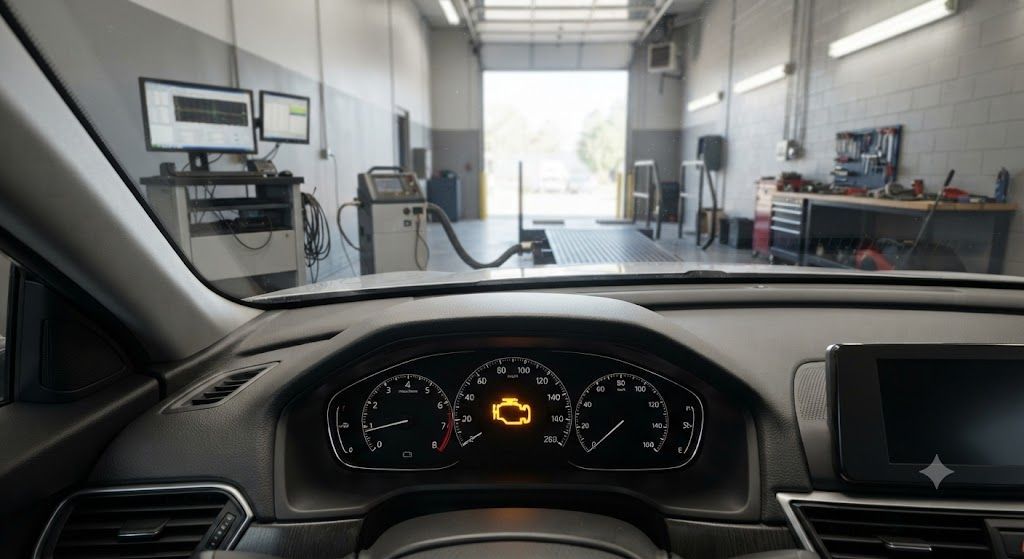
STAR inspections follow a structured protocol. The technician examines the vehicle’s emissions control system, runs the engine under specific conditions, and measures output pollutants. The inspection may include a visual check of the catalytic converter, a functional test of the onboard diagnostics system, and tailpipe emissions testing using precise instruments.
Staying Compliant on the Day of Inspection
Vehicle owners can optimize inspection outcomes by ensuring that maintenance logs are up-to-date and the fuel tank is at least one-quarter full. Any recent modifications to the engine or exhaust system should be disclosed, as undisclosed alterations can lead to automatic failures.
Technician Guidance and Documentation
STAR-certified technicians provide detailed reports on inspection results, whether the vehicle passes or fails. Understanding the documentation and any recommended repairs ensures clarity on next steps. These reports are also submitted to state databases, contributing to broader air quality monitoring and enforcement efforts.
How to Pass a STAR Smog Inspection
Step 1: Conduct a Pre-Inspection Check
Before the official test, perform a pre-inspection check. Review the engine’s maintenance history, verify that all sensors and control systems are functioning, and run a self-diagnostic using an OBD-II scanner. This proactive approach reduces surprises during the inspection.
Step 2: Address Potential Emission Issues
Common repairs that prevent failure include replacing a faulty oxygen sensor, repairing exhaust leaks, and cleaning or replacing the catalytic converter if necessary. Ensuring the gas cap seals properly and that the fuel system is functioning optimally can also prevent unnecessary failures.
Step 3: Drive for Optimal Engine Performance
Many failures occur due to a cold engine or incomplete fuel system cycling. Driving the vehicle for 10–15 miles under normal conditions before the test ensures that the catalytic converter is fully heated and operating at peak efficiency, which can significantly improve emissions readings.
Step 4: Choose the Right Inspection Station
STAR-certified stations must meet higher standards for accuracy and equipment calibration. Selecting a reputable station reduces the likelihood of testing errors and ensures compliance with state-mandated protocols.
Step 5: Follow Up on Repairs Promptly
If the vehicle fails the inspection, addressing recommended repairs promptly increases the chance of passing a re-test. Keeping repair receipts and maintaining a log of corrective actions supports compliance and simplifies future inspections.
Common Challenges and How to Overcome Them
High-Emission Vehicles
Older vehicles or those with previous smog failures often face significant difficulties passing STAR inspections on the first attempt. Regular maintenance, targeted repairs, and occasional pre-test diagnostics can effectively mitigate these challenges and extend the vehicle’s roadworthiness considerably.
Complex Diagnostic Codes
Modern vehicles rely heavily on computerized systems that generate error codes whenever components malfunction. Interpreting these codes correctly is crucial for identifying the root causes accurately. Access to professional diagnostic tools or consultation with certified technicians ensures that these issues are thoroughly and efficiently addressed.
Cost Considerations
Repairs required to pass a STAR inspection can sometimes be unexpectedly expensive and time-consuming. Prioritizing preventive maintenance reduces the likelihood of costly repairs, while pre-inspection diagnostics help focus specifically on the most critical issues, preventing unnecessary expenditure over time.
Environmental and Regulatory Changes
Regulations continue to evolve constantly to meet stricter and changing air quality standards. Staying informed about current STAR requirements and regional emission policies ensures ongoing compliance and helps avoid unexpected inspection failures or legal complications.
Reliable STAR Inspection Solutions Backed by Experience
STAR smog inspections serve as a vital mechanism for reducing vehicle emissions, safeguarding public health, and ensuring compliance with California law. By understanding the inspection process, maintaining vehicles proactively, and addressing common failure points, passing a STAR inspection becomes an achievable goal. Vehicle owners benefit from improved engine performance, enhanced fuel efficiency, and the satisfaction of contributing to cleaner air in their communities.
At Tri-City Smog, over 40
years of experience in state emissions testing services in Temecula and Menifee, California, enables us to provide reliable, accurate, and efficient inspections. Our commitment to precision, transparency, and environmental responsibility ensures that every vehicle tested meets the highest standards. Trust us to guide you through the STAR inspection process, identify potential issues early, and provide practical solutions that save time and money. With our expertise, STAR compliance is not just a requirement—it’s a step toward better vehicle performance and cleaner air for everyone.