Smog Check 101: What to Expect During Your Regular Inspection
March 26, 2026
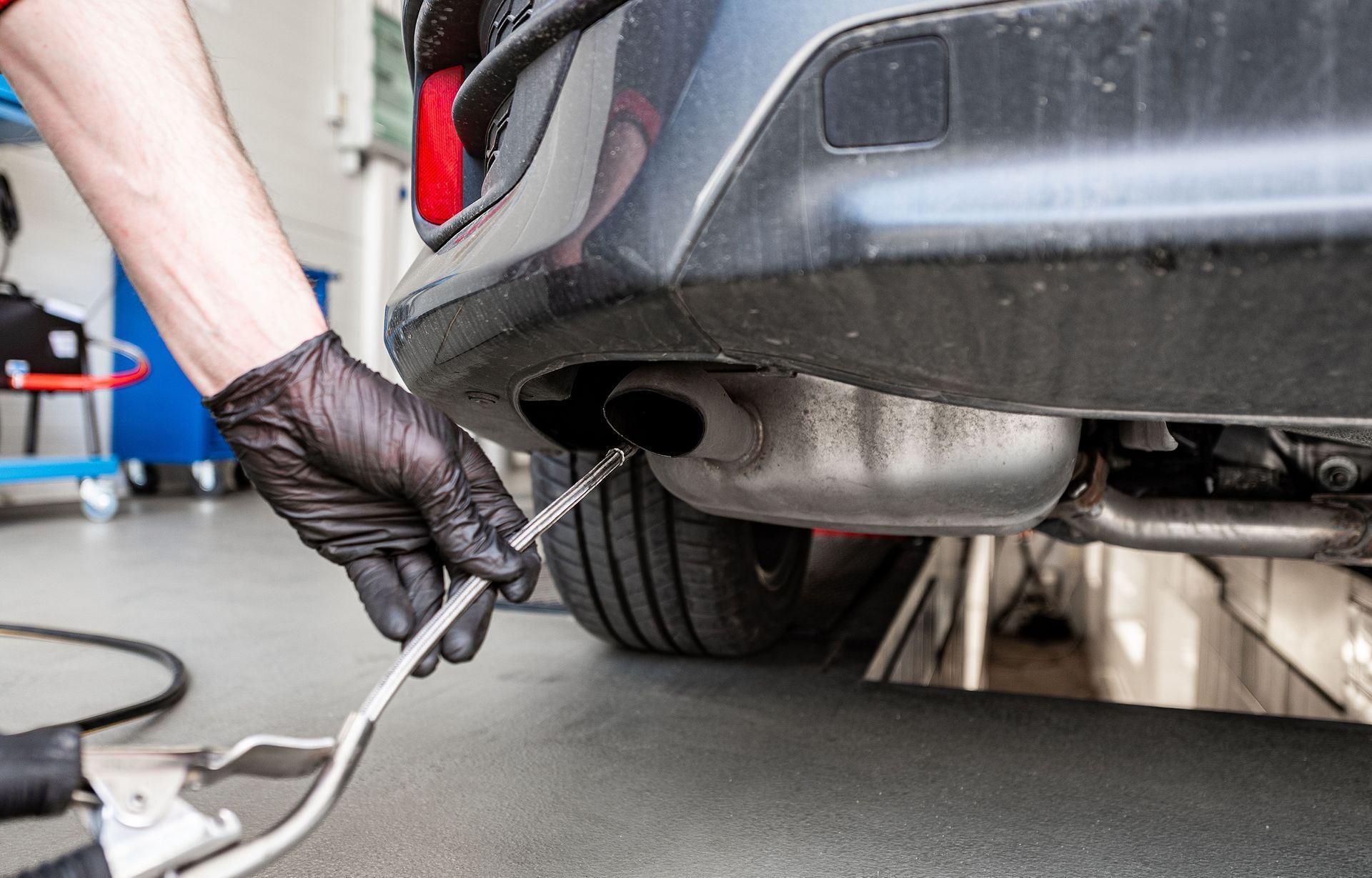
Maintaining a vehicle isn’t just about ensuring it runs smoothly—it’s also about ensuring it meets environmental standards. Smog checks are an essential part of vehicle ownership, particularly in states with strict emissions regulations. These inspections are designed to verify that your car’s emissions system is functioning correctly and that it’s not contributing excessive pollutants into the atmosphere. For many vehicle owners, the smog check can seem intimidating or confusing, but understanding the process can make it straightforward and stress-free.
Regular inspections are critical for both environmental and practical reasons. On one hand, they help reduce air pollution, protect public health, and ensure cleaner air in urban and suburban communities. On the other hand, passing a smog check is often a legal requirement for vehicle registration, and failing can lead to costly repairs or delays. By familiarizing yourself with what to expect during a smog check, you can approach your vehicle inspection with confidence, avoid unexpected issues, and take proactive steps to maintain your car’s performance. In this guide, we will break down the smog check process, explain common components and tests, provide helpful tips for preparation, and clarify how to handle results, empowering vehicle owners to navigate inspections with ease.
1. Understanding the Smog Check
What a Smog Check Entails
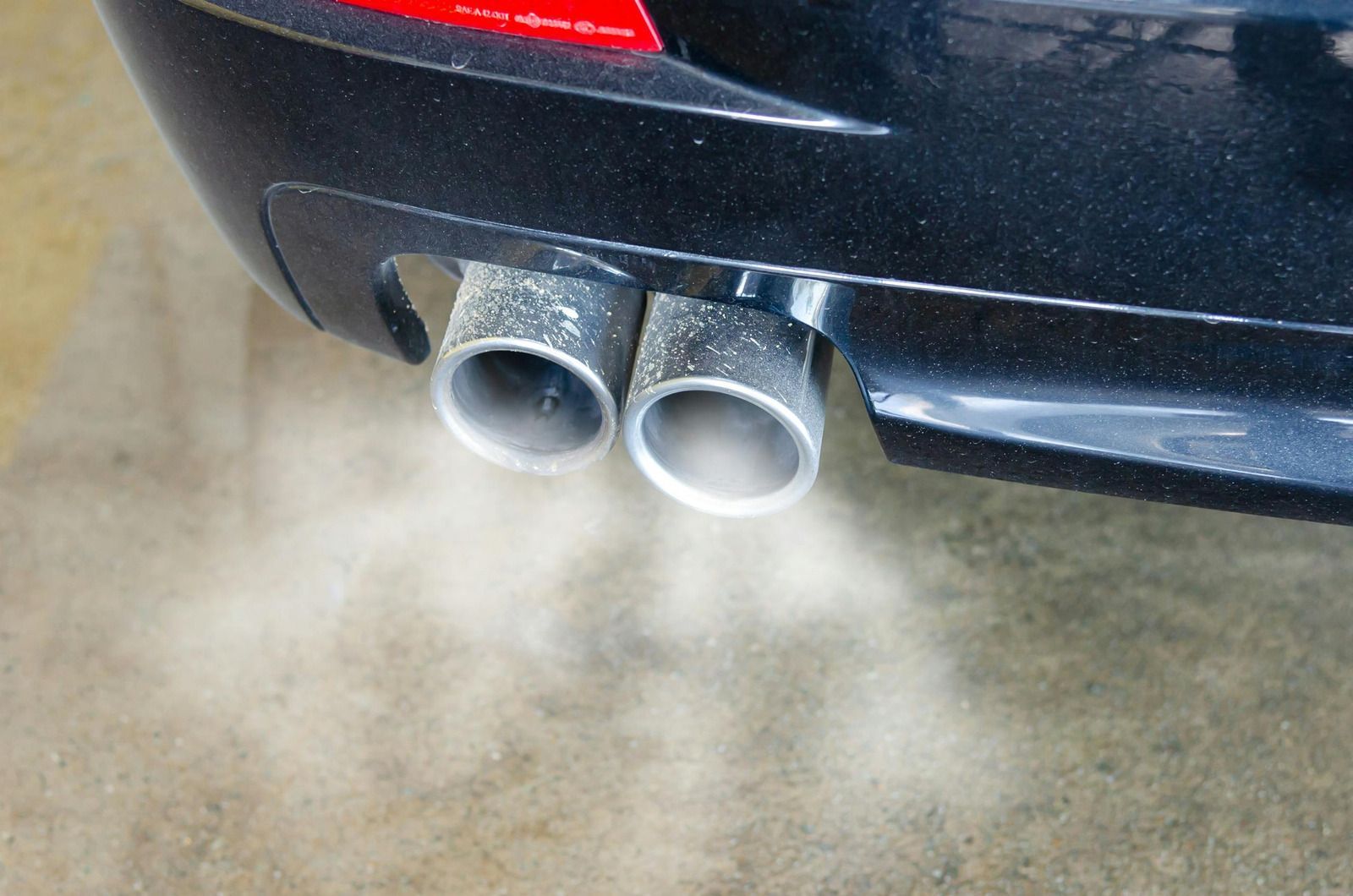
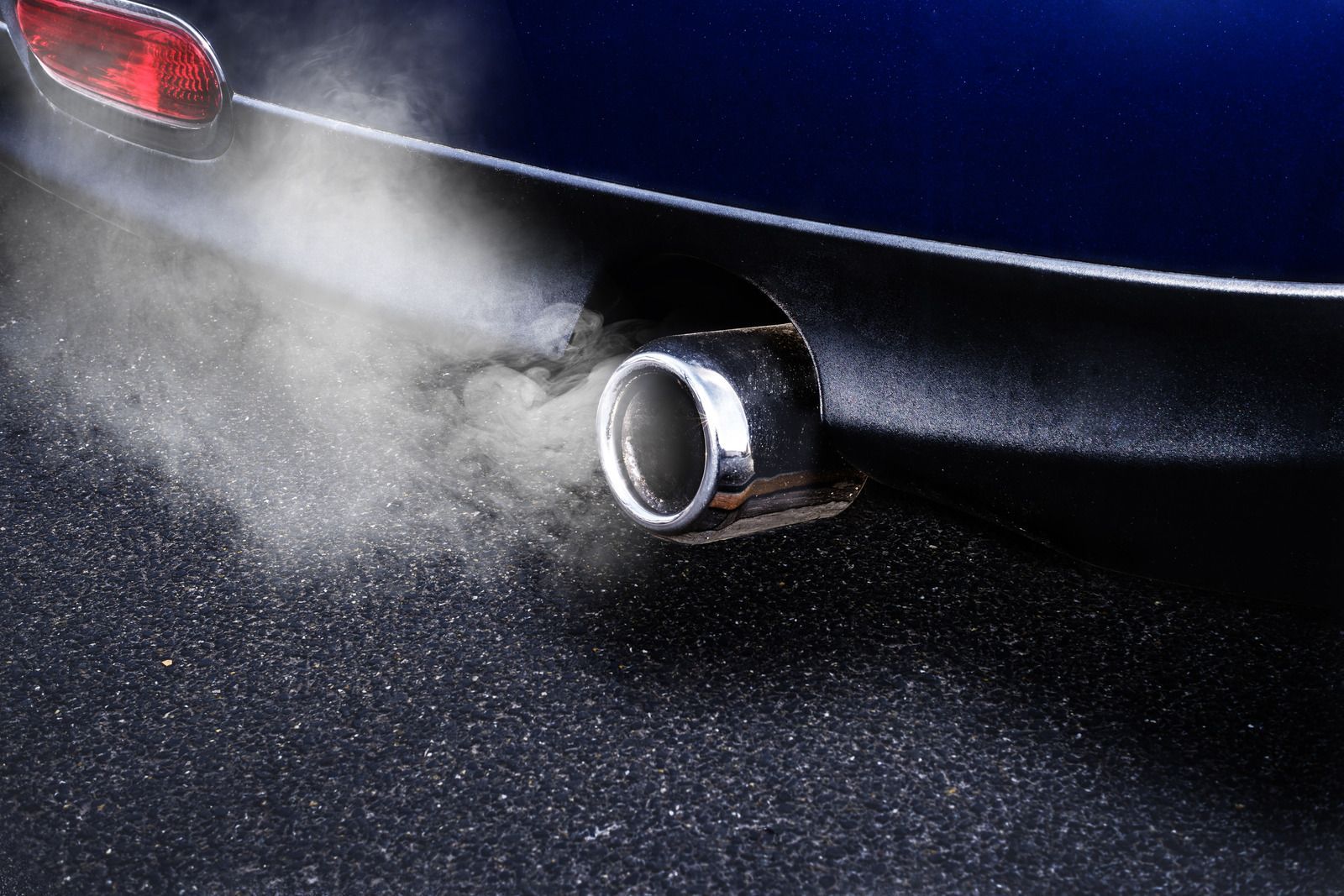
A smog check is a comprehensive inspection of a vehicle’s emissions system. The primary goal is to measure the amount of harmful pollutants your car produces and ensure it meets state-mandated standards. Common pollutants tested include carbon monoxide (CO), hydrocarbons (HC), nitrogen oxides (NOx), and particulate matter (PM). Vehicles are also checked for proper functionality of emissions-related components, such as the catalytic converter, oxygen sensors, and the exhaust system.
Modern smog checks typically employ electronic diagnostic equipment to assess engine performance and emission levels. This may include onboard diagnostics (OBD-II) testing for vehicles manufactured after 1996, which allows inspectors to detect trouble codes and monitor emissions data in real-time. Older vehicles may undergo tailpipe testing, where exhaust emissions are sampled directly from the vehicle’s tailpipe using specialized analyzers.
Why Smog Checks Matter
Smog checks play a vital role in protecting the environment. Vehicles contribute a significant portion of air pollution in many urban areas, including smog formation and greenhouse gas emissions. By ensuring that cars operate within regulatory limits, smog checks reduce harmful pollutants, support public health, and help states comply with federal air quality standards.
Moreover, regular inspections can help vehicle owners identify underlying mechanical issues. For example, a failing catalytic converter or malfunctioning oxygen sensor may not only affect emissions but also reduce fuel efficiency and engine performance. Detecting these issues early can prevent costly repairs in the future.
2. Preparing for Your Smog Check
Pre-Inspection Maintenance
Proper preparation can significantly increase the likelihood of passing a smog check. Basic maintenance, such as checking the engine oil, ensuring the gas cap is tightly sealed, and replacing worn spark plugs or air filters, can improve emissions performance. Keeping up with scheduled tune-ups and fluid checks ensures the engine runs efficiently, reducing the chance of failing the inspection.
Driving Habits Before the Test
Your driving habits leading up to the smog check also matter. A vehicle that has been recently driven on the highway tends to perform better during emissions testing than one that has been idling or used for short trips. Highway driving helps warm the engine and catalytic converter, allowing emissions systems to operate optimally and reducing the concentration of pollutants in the exhaust.
Documentation and Records
Before heading to the inspection station, gather all necessary documentation, including your vehicle registration and any recent repair records related to the emissions system. Having these documents on hand can facilitate a smoother inspection process and provide context if your vehicle requires further diagnostics.
3. The Inspection Process
Step 2: Functional Tests
Next, inspectors perform functional tests on key systems. This may include checking the fuel cap seal, assessing the operation of the oxygen sensors, and ensuring the evaporative emissions system is working correctly. These tests confirm that all emissions-related components are in proper working order.
Step 3: Tailpipe or OBD-II Testing
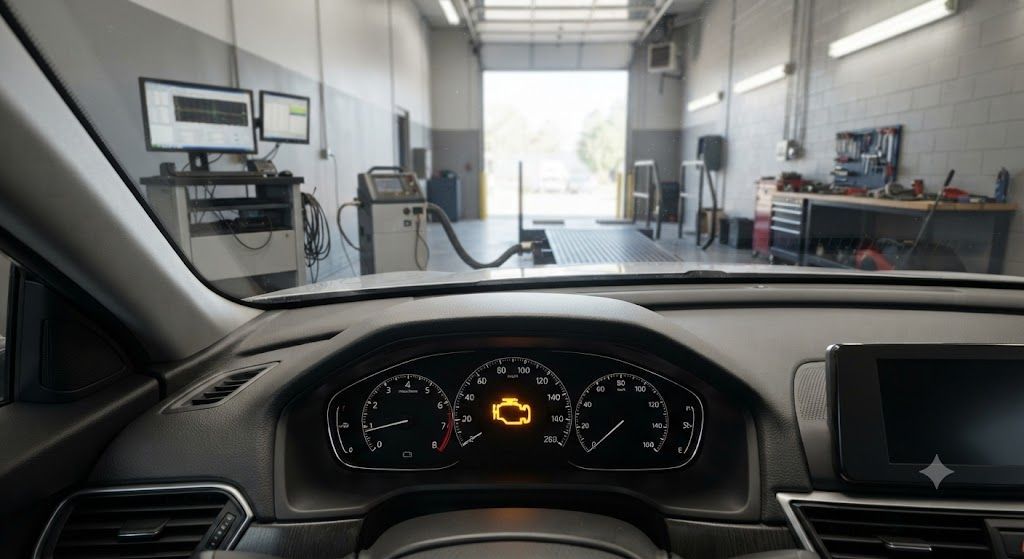
Depending on the vehicle’s age and type, the inspection may involve tailpipe testing or OBD-II diagnostics. In tailpipe testing, a probe is inserted into the exhaust pipe to measure pollutants directly. For OBD-II inspections, the inspector connects a diagnostic tool to the vehicle’s computer system to retrieve data on emissions performance and detect any trouble codes.
Step 4: Evaluating the Results
After testing is complete, the vehicle’s emissions levels are compared to state standards. If the car passes, a certificate is issued, which is often required for registration renewal. If it fails, the report will indicate which pollutants exceeded limits and which systems may need repair.
4. Common Issues and Challenges
Frequent Causes of Failure
Some of the most common reasons vehicles fail smog checks include malfunctioning oxygen sensors, a damaged catalytic converter, ignition system problems, or a loose or defective gas cap. Older vehicles may fail due to worn components, high mileage, or engine deposits that affect combustion efficiency.
Handling a Failed Smog Check
Failing a smog check doesn’t have to be overwhelming. Begin by reviewing the inspection report to understand the specific issues. Consult a trusted mechanic to diagnose and repair the problem. Once repairs are complete, most states allow a re-test within a set timeframe, often at a reduced cost.
Preventative Measures
Regular vehicle maintenance is the best way to avoid smog check failures. Scheduled tune-ups, timely replacement of air filters and spark plugs, and using high-quality fuel can help maintain low emissions. Keeping a record of maintenance and repairs can also streamline the process if your vehicle ever requires additional diagnostic work.
5. Tips for a Smooth Smog Check
Ensure the Vehicle is Ready
A smog check can be stressful if your vehicle isn’t ready. Make sure the engine is warm, tires are properly inflated, and no warning lights are active on the dashboard. Vehicles with pending check engine lights are likely to fail the inspection automatically.
Choose the Right Inspection Station
Selecting a certified and reputable smog check station ensures accurate results and professional service. Stations equipped with modern diagnostic tools and staffed by experienced inspectors can identify issues more efficiently and provide helpful guidance.
Timing Your Test
Avoiding extreme temperatures and testing after completing routine maintenance can increase the chances of passing. For example, scheduling your test after a long drive or once the engine has reached optimal operating temperature can help emissions systems function effectively during testing.
Be Informed About Regulations
Being familiar with state-specific emissions requirements is valuable. Regulations can vary by vehicle type, age, and location, so knowing the rules can prevent surprises during your inspection. Many states provide online resources or guides detailing what’s required for compliance.
6. Benefits of Passing a Smog Check
Legal Compliance
Passing a smog check is often mandatory for vehicle registration. Staying compliant helps avoid fines, penalties, or registration delays, ensuring your vehicle remains legally on the road.
Environmental Impact
By meeting emissions standards, your vehicle contributes less to air pollution, helping improve local air quality and reducing the overall carbon footprint. This is especially important in urban areas where vehicle emissions are a primary source of smog and respiratory hazards.
Vehicle Longevity and Efficiency
Smog checks also provide insight into your vehicle’s mechanical health. Repairing emissions-related issues not only ensures compliance but often improves fuel efficiency, engine performance, and long-term reliability. Addressing minor issues early can prevent more serious, expensive repairs down the line.
Peace of Mind
Finally, passing a smog check gives vehicle owners confidence that their car is operating safely and efficiently. Knowing that your emissions system is functioning correctly allows you to drive without concern for environmental compliance or hidden mechanical issues.
Experienced Smog Inspectors Committed To Your Vehicle’s Performance
For residents in Temecula and Menifee, California, Tri-City Smog stands as a trusted authority in state emissions testing services. With over 40 years of experience, our team has helped countless vehicle owners navigate the smog check process efficiently and confidently. We understand the nuances of state regulations, the complexities of modern emissions systems, and the importance of maintaining both vehicle performance and environmental responsibility.
At Tri-City Smog, we prioritize accuracy, transparency, and customer satisfaction. Our certified inspectors use the latest diagnostic tools to ensure thorough testing while offering clear guidance on any necessary repairs or adjustments. Whether you are a first-time vehicle owner or a seasoned driver, our professional approach ensures that your smog check experience is straightforward, informative, and stress-free.
Choosing Tri-City Smog
means choosing reliability, expertise, and a commitment to clean air. By combining decades of hands-on experience with a deep understanding of emissions standards, we help drivers meet compliance requirements while supporting healthier communities. Trust Tri-City Smog
to keep your vehicle road-ready and environmentally responsible.