Failed Your Smog Check? The Most Common Reasons Cars Don't Pass
August 29, 2026
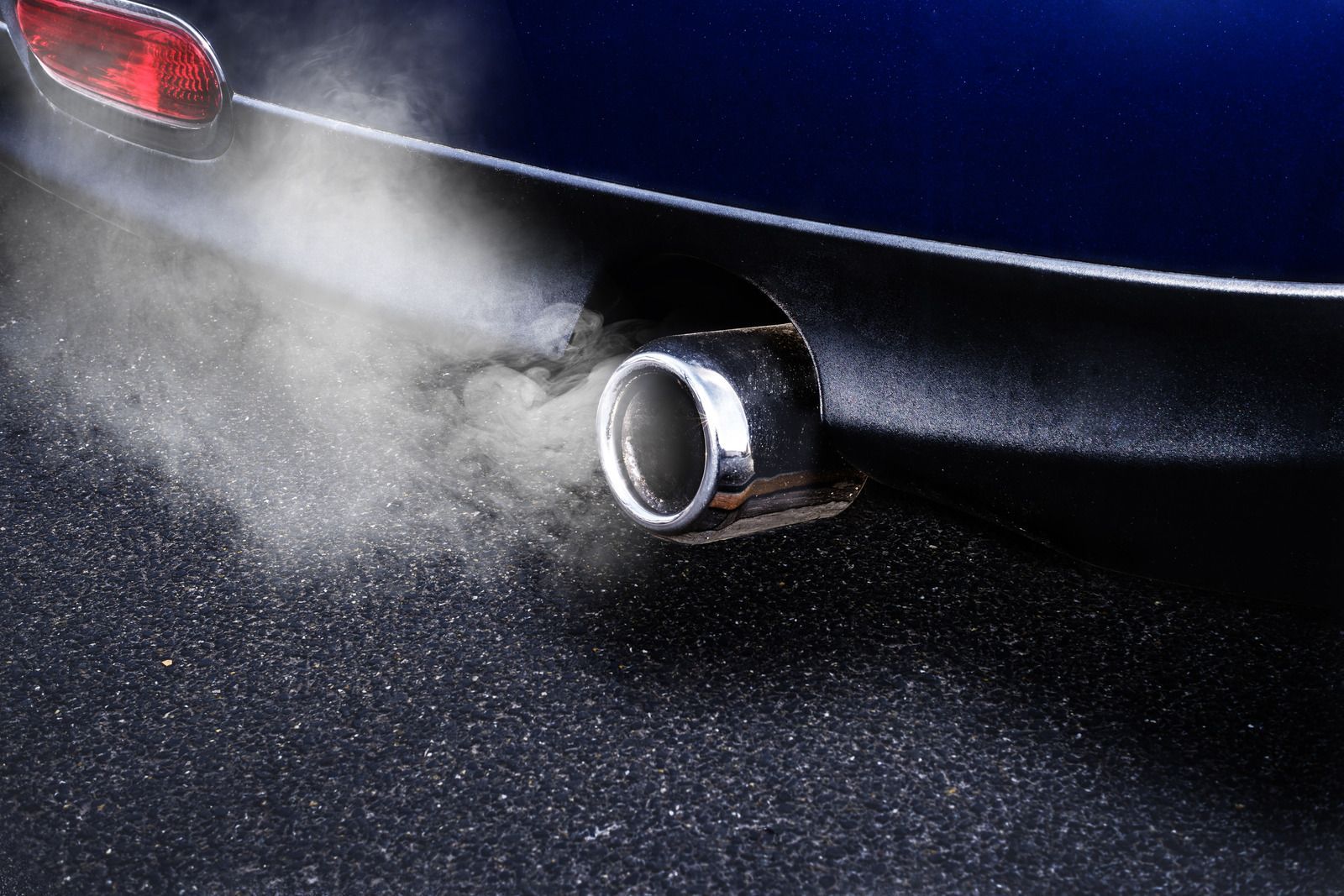
Quick Answer: The most common reasons a car fails a smog check are an illuminated check engine light, incomplete readiness monitors after a battery disconnect or repair, a failing catalytic converter, worn spark plugs causing misfires, a loose or worn gas cap, and oxygen sensor problems. None of these show up in how the car drives — they're detected by the onboard computer and tailpipe emissions equipment, not by the seat of your pants. Most are catchable with routine maintenance and a few days of normal driving before your appointment.
You pull out of the test lane expecting a pass. Instead you get a printout full of numbers you don't recognize and a big "FAIL" stamped across the top. Your car drove in fine. The engine sounded normal. Nothing felt wrong on the way over. So what happened?
Here's what catches most drivers off guard: a smog test doesn't care how your car feels to drive. It's checking whether the systems that clean up your exhaust before it leaves the tailpipe are actually doing their job. A car can idle smooth and accelerate strong and still push out more pollutants than the test allows. Once you know what the equipment is measuring, a failed result stops feeling random.
Below are the reasons cars fail most often, roughly in the order technicians see them, along with what's usually going on under the hood in each case.
The Check Engine Light Is the Number One Fail Trigger
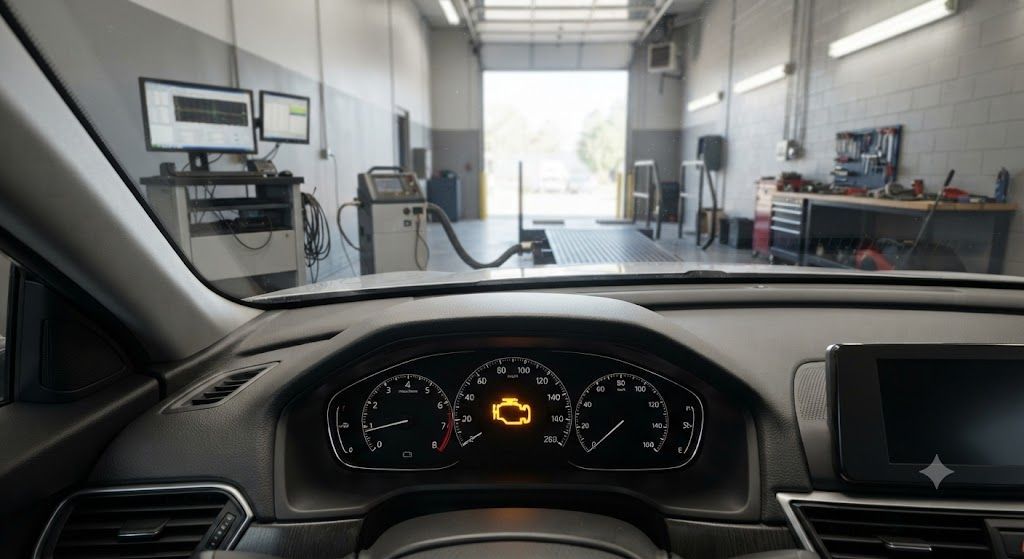
If there's one thing that sends more cars home without a passing certificate than anything else, it's an illuminated check engine light. Doesn't matter how the car drives. Doesn't matter how new the tires are or how clean the interior smells. If that light is on when the technician pulls up to your vehicle, the test stops right there — automatic fail.
Your car's onboard computer, the OBD system, watches dozens of sensors tied to the engine and emissions equipment around the clock. The moment one of those readings drifts outside its normal range, the computer logs a trouble code and turns on the light. That code could point to something serious, like a failing catalytic converter, or something minor, like a sensor running a touch slow. The test equipment doesn't care which one it is. It just reads that the light is on and calls it a fail.
Don't wait until test day to notice the light. If it's already on, get the code pulled and the actual problem diagnosed before you schedule your appointment. And clearing the code without fixing what triggered it usually backfires too — which brings us to the next big cause of failed tests.
Incomplete Readiness Monitors
This one catches a lot of people off guard, especially if they've recently had a battery disconnected, a repair done, or the check engine light cleared with a code reader. Your car can drive perfectly and still fail — not because anything is actually broken, but because the computer hasn't finished its own checklist yet.
Modern vehicles run a series of self-tests called readiness monitors. Each one covers a different emissions-related system: the catalytic converter, oxygen sensors, the evaporative system, and a handful of others. Every time the battery loses power or a code gets cleared, these monitors reset to "not ready" and have to run through their diagnostic cycle all over again before they'll report a status. The test equipment needs to see a certain number of monitors marked "ready" just to generate a result. Too many still pending, and the test can't even be completed — which functions the same as a fail.
TIP: If you've had a battery replaced, a repair completed, or a code cleared recently, drive the car normally — a mix of city streets and highway — for several days before your appointment. Readiness monitors typically finish resetting somewhere between 20 and 100 miles of varied driving, depending on the vehicle.
A Failing or Aging Catalytic Converter
The catalytic converter is the single most important piece of hardware standing between your engine and a clean tailpipe reading. Think of it as a small chemical reactor: it converts carbon monoxide, hydrocarbons, and nitrogen oxides into far less harmful gases before they exit the exhaust system.
Converters wear out gradually as mileage adds up. But they can also get damaged suddenly — most often by a rich-running engine that dumps unburned fuel into the exhaust, or by an ignition misfire that sends raw fuel straight into the converter and overheats it. Once the internal honeycomb structure degrades or gets coated with contaminants, the converter can't finish converting exhaust gases efficiently. Your tailpipe numbers climb from there.
A car with a struggling converter often shows other symptoms first: reduced power, a rotten-egg smell from the exhaust, a rattling sound from underneath when you accelerate. Any of those is worth a look before test day. Converter problems only get more expensive to fix the longer they sit.
Worn Spark Plugs and Ignition Misfires
Spark plugs are small, cheap, and easy to forget about — which is exactly why they're such a common cause of failed emissions results. A worn or fouled plug doesn't ignite the air-fuel mixture cleanly, and that incomplete combustion sends unburned fuel and excess nitrogen oxides straight into the exhaust stream.
When a cylinder misfires, even now and then, raw fuel that should have burned inside the engine ends up in the exhaust instead. Some of it gets handled by the catalytic converter. But a converter can only do so much, and repeated misfires wear it down faster on top of raising your emissions readings directly.
Most manufacturers recommend spark plug replacement somewhere between 30,000 and 100,000 miles, depending on the plug type. If your car is due, or you've noticed a rough idle, hesitation on acceleration, or a drop in fuel economy, that's a strong signal your plugs — and maybe your ignition coils — need attention before your appointment.
A Loose, Worn, or Missing Gas Cap
Of everything on this list, this is the fastest and cheapest fix. And one of the most common. Your gas cap is part of the EVAP system, which keeps fuel vapors sealed inside the tank instead of letting them evaporate into the air.
A cap that isn't tightened all the way, has a cracked seal, or is simply the wrong part for your vehicle lets fuel vapors escape. Many testing systems include an EVAP pressure check specifically because this is such a frequent culprit. A bad seal is enough on its own to trigger both a check engine light and a direct EVAP-related failure.
Check that your gas cap clicks fully into place before your test. If it's cracked, doesn't seal tight, or you're not even sure it's the original cap for your make and model, replacing it is cheap and takes a few minutes.
Oil Leaks and Overdue Maintenance
An oil leak might seem unrelated to emissions. It isn't. Leaking or overdue oil that's broken down and full of contaminants burns differently than fresh oil, and that changes what comes out of your tailpipe.
Degraded oil increases internal engine deposits and can push hydrocarbon readings higher. Meanwhile, an active leak dripping onto hot exhaust components can create smoke or odor that muddies a clean test result even further. Pair that with a dirty air filter — another frequent contributor, since restricted airflow forces the engine to run richer than it should — and these routine maintenance gaps add up to real emissions increases.
Staying current on oil changes and air filter replacements does more for your emissions readings than most drivers realize. It's also the kind of upkeep you're probably doing anyway.
Oxygen Sensor Problems
Your oxygen sensors report how much unburned oxygen is sitting in the exhaust stream, and the engine computer uses that data to fine-tune the air-fuel mixture in real time. When a sensor starts giving bad readings, the computer can't make the right adjustments, and the mixture drifts rich or lean.
A failing oxygen sensor is one of the most frequent codes behind an illuminated check engine light. It's also a common root cause hiding behind a catalytic converter that looks like it's failing when the real problem is actually upstream. Replacing a bad sensor is usually far cheaper than replacing a converter — one more reason an accurate diagnosis matters before you assume the worst.
Vacuum Leaks and Fuel System Issues
A cracked vacuum line or a leak somewhere in the intake system lets unmetered air into the engine, throwing off the air-fuel ratio the same way a bad oxygen sensor does. These leaks can be small enough that you'd never notice a change in how the car drives, yet still be enough to push emissions readings over the limit.
Rough idle. A hissing sound near the engine bay. A check engine light with a lean-condition code. Those are the usual tells. Because vacuum leaks are often hard to pinpoint by ear alone, a smoke test at a repair shop is typically the fastest way to track one down.
Warning: Don't disconnect the battery or clear codes right before a test as a shortcut. Doing so resets your readiness monitors and almost guarantees the equipment won't be able to generate a result — a wasted trip and a second appointment.
Putting It All Together Before Your Next Test
Notice the pattern running through nearly every item on this list: none of it is about whether your car feels fine to drive. It's about whether the specific hardware and sensors responsible for cleaning up your exhaust are doing what they were built to do. A car can ride smooth and still have a converter losing efficiency, a sensor feeding bad data, or monitors that haven't finished their reset cycle.
The good part is that most of this is catchable ahead of time. Deal with a check engine light instead of ignoring it. Keep up with routine maintenance like oil changes and spark plugs. Confirm your gas cap actually seals. Give your car enough regular driving time after any battery or electrical work before you head to the test lane. Those few habits knock out the majority of fail reasons before you ever pull into the bay.
Frequently Asked Questions
Can a car fail a smog check even if it runs perfectly fine?
Yes. Smog testing measures tailpipe emissions and checks onboard diagnostic data, not how the car drives. A vehicle can accelerate smoothly and idle steadily while still exceeding emissions limits because of an aging catalytic converter, a failing sensor, or incomplete readiness monitors.
How many readiness monitors need to be ready to pass?
The exact number varies by model year, but most testing equipment requires the majority of monitors to show "ready" before it can generate a result. If too many are still pending — usually after a battery disconnect or a recent repair — the test can't be completed until you've driven the car enough for them to finish resetting.
Will clearing my check engine light before the test help me pass?
No. Clearing a code without repairing what caused it resets your readiness monitors to "not ready," which stops the test from running at all. The underlying issue that triggered the light is still there and will likely bring it back within a short drive.
Does a dirty air filter really affect emissions results?
It can. A clogged filter restricts airflow into the engine, forcing it to run richer than intended, which increases the pollutants produced during combustion. It's an easy, cheap thing to check before your appointment.
How long should I drive my car before a smog test after a repair?
A general guideline is several days of mixed city and highway driving — often somewhere between 20 and 100 miles — to let the readiness monitors finish their diagnostic cycles. Driving patterns and vehicle model both affect exactly how long that takes.
What's the fastest fix on this list if I'm short on time before my appointment?
A loose or worn gas cap. Checking that it's seated properly or swapping in a new one takes a few minutes and can resolve an EVAP-related issue on the spot.
What to Know Before Your Next Smog Check
Once you understand what a smog inspection is actually measuring, a failed result becomes much less mysterious. Issues such as an illuminated check engine light, incomplete readiness monitors, worn ignition components, or an aging catalytic converter can all affect the outcome even when the vehicle feels completely normal on the road. Taking care of warning lights, routine maintenance, and emissions-related repairs before testing gives your vehicle a better chance of producing a clean, complete result.
For drivers in Temecula and Menifee, CA, staying ahead of these problems can also make the inspection process less stressful. Tri-City Smog, with 40+ years of experience, helps local motorists understand what their vehicles are reporting before and during emissions testing. A little preparation, combined with timely maintenance, can go a long way toward avoiding an unexpected failure and keeping your vehicle operating efficiently between inspections.