What Is a Smog Inspection & Why Every Vehicle Owner Needs One
January 30, 2026
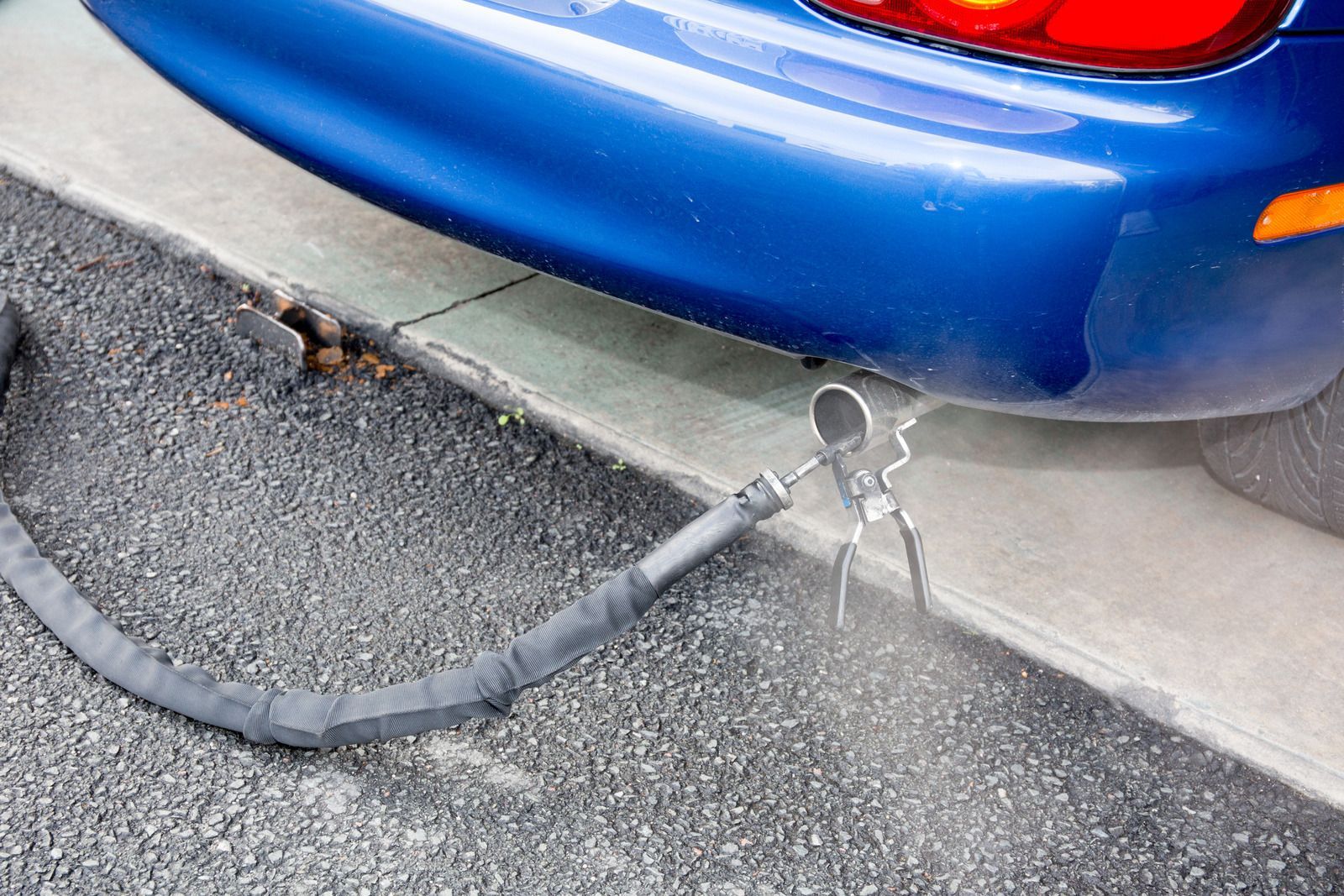
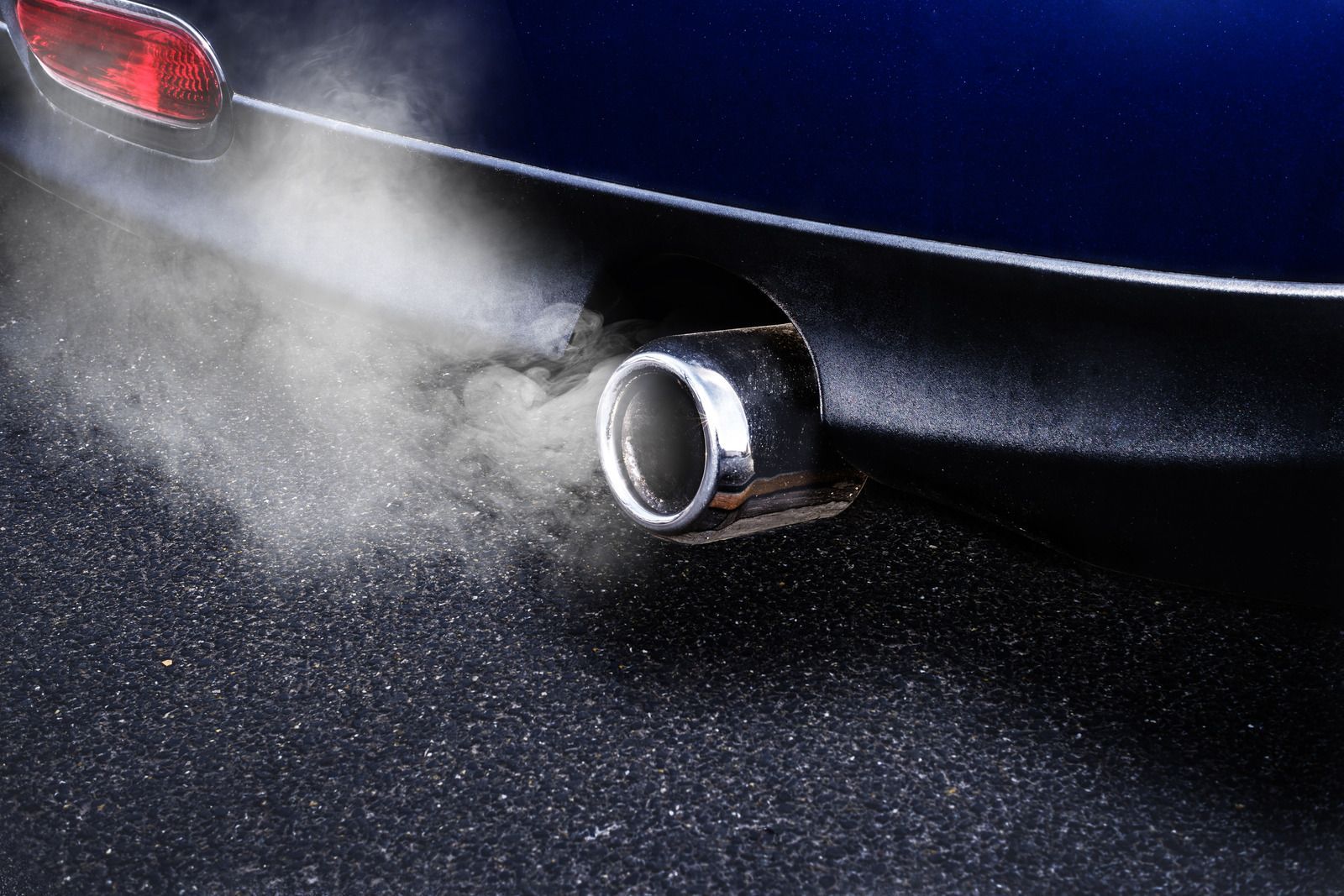
Maintaining a vehicle is about more than keeping it running smoothly or avoiding costly repairs. Modern vehicles, while more efficient and cleaner than ever, still contribute to environmental pollution if not properly maintained. This is where smog inspections, also known as emissions tests, become essential. A smog inspection measures the levels of harmful gases released by your vehicle, ensuring that it meets the state’s environmental standards. By identifying vehicles that exceed pollution limits, smog inspections play a crucial role in reducing air pollution and protecting public health. In regions with high traffic density, like urban areas and certain valleys, smog testing is not just a legal requirement—it is an environmental necessity.
Every vehicle owner should understand the importance of
regular smog inspections. Beyond compliance, these inspections can provide insight into your car’s overall performance, reveal potential engine or exhaust issues, and prevent more expensive repairs down the road. They also ensure that vehicles contribute minimally to harmful emissions such as carbon monoxide, nitrogen oxides, and hydrocarbons. For responsible drivers, staying on top of
smog testing is a proactive step toward cleaner air, safer roads, and long-term vehicle health. In this article, we will explore what smog inspections involve, why they matter, and how vehicle owners can stay compliant while protecting both their cars and the environment.
Understanding Smog Inspections
What a Smog Inspection Entails
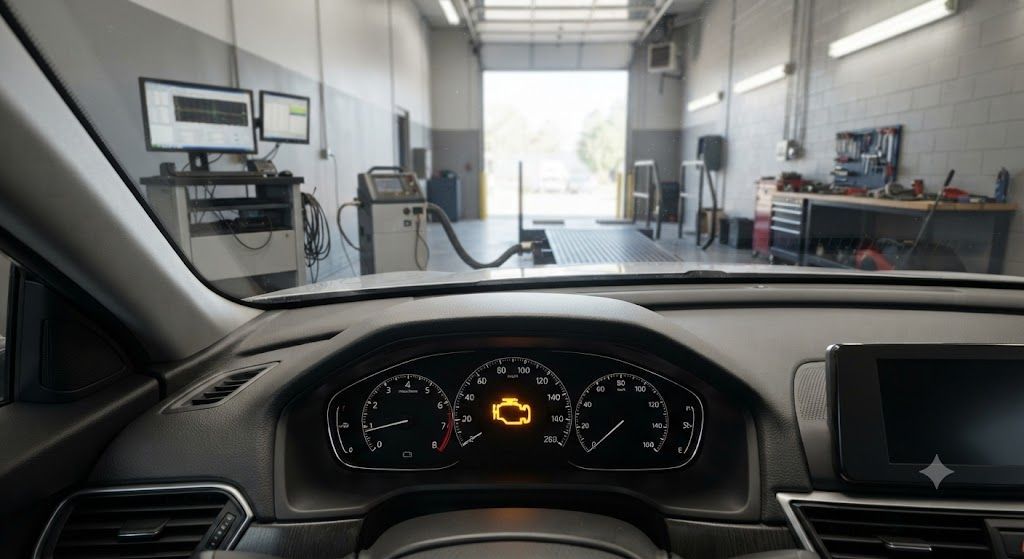
A smog inspection is a systematic process designed to evaluate a vehicle’s emissions output. Technicians use specialized equipment to measure pollutants such as carbon monoxide (CO), hydrocarbons (HC), and nitrogen oxides (NOx). During the test, sensors monitor exhaust gases while the engine runs under specific conditions. The results indicate whether the vehicle meets state-mandated emissions standards. Many modern inspections also include an OBD-II (On-Board Diagnostics) check to detect engine faults that may increase emissions. This technology allows for more accurate readings and ensures that vehicles operate within acceptable environmental limits.
Why Testing Is Required
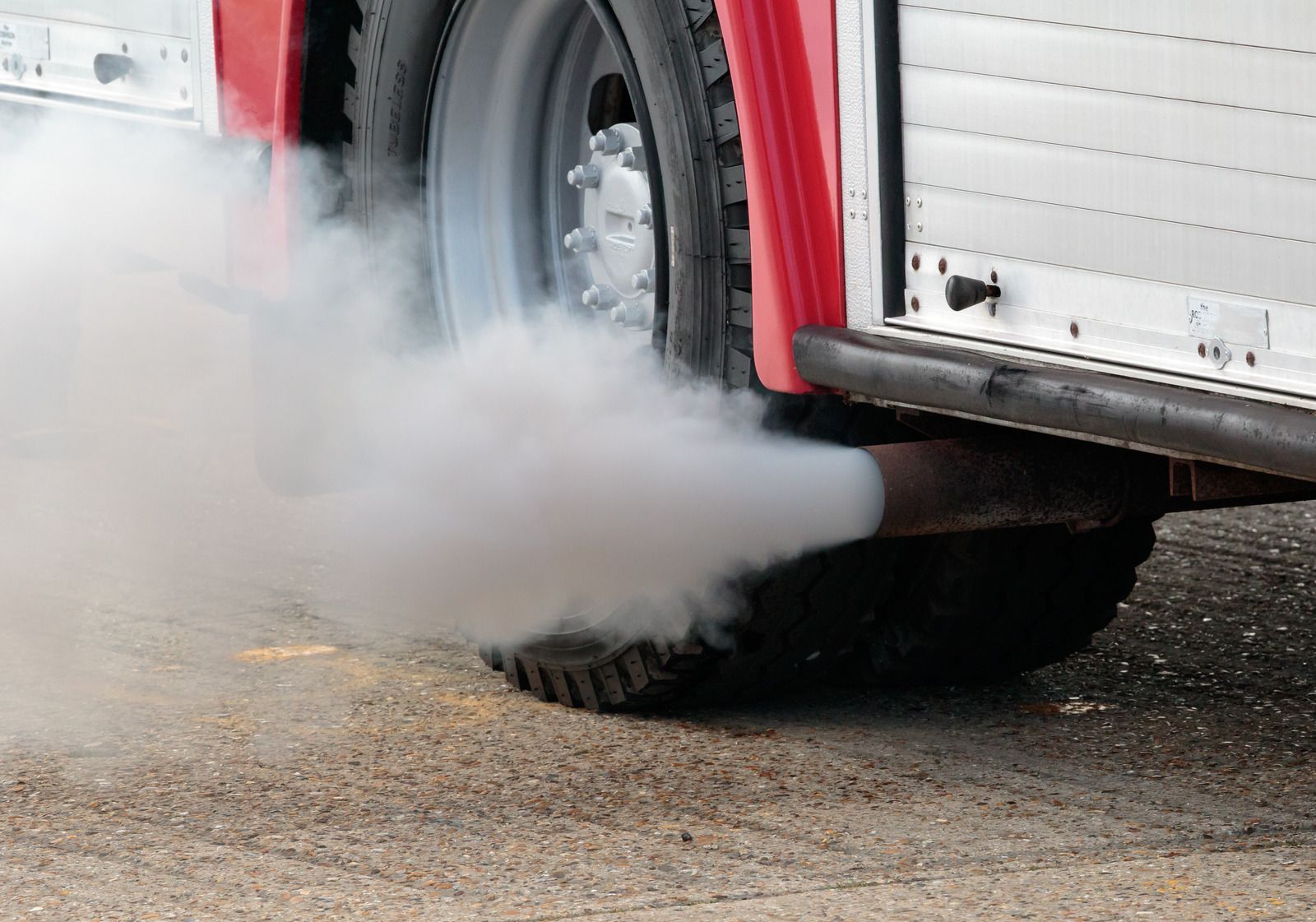
The primary purpose of smog inspections is to safeguard air quality. Excessive vehicle emissions contribute to smog formation, which can aggravate respiratory conditions, damage crops, and even accelerate climate change. Governments mandate smog testing to curb these harmful effects, and failing to comply can result in fines, registration delays, or even vehicle immobilization. For cities and regions struggling with air pollution, consistent smog testing has proven to be a vital tool in improving overall environmental health.
The Importance of Smog Inspections for Vehicle Owners
Legal Compliance and Avoiding Penalties
For most states, smog inspections are a legal requirement when registering a vehicle or during routine renewal. Compliance ensures that vehicle owners avoid fines or administrative issues. Additionally, passing a smog inspection is often mandatory before selling or transferring ownership of a vehicle. By scheduling timely inspections, owners can avoid last-minute complications and potential legal penalties.
Protecting Vehicle Performance
Smog inspections are not solely about environmental responsibility—they can also indicate mechanical health. Elevated emissions often point to underlying issues such as faulty oxygen sensors, clogged catalytic converters, or malfunctioning fuel injectors. Detecting these problems early through a smog inspection can prevent costly repairs and improve fuel efficiency. For example, a car that fails a smog test due to a malfunctioning catalytic converter is also likely to experience reduced performance and higher fuel consumption. Regular testing keeps vehicles in peak condition while minimizing environmental impact.
Promoting Environmental Responsibility
Vehicle owners play a direct role in reducing air pollution. Cars are among the largest contributors to urban smog, which can exacerbate asthma and other respiratory illnesses. By ensuring vehicles meet emission standards, drivers actively contribute to cleaner air and healthier communities. Beyond legal compliance, smog inspections encourage responsible vehicle ownership and environmental stewardship.
How Smog Inspections Are Conducted
The Testing Process
The smog inspection typically involves two components: an emissions test and an OBD-II diagnostic check. For older vehicles, a tailpipe test may be conducted while the engine is running on a dynamometer, simulating road conditions. The technician measures exhaust gases and compares them against state standards. For modern vehicles, the OBD-II system is scanned to detect any emission-related error codes. The entire process usually takes between 20 to 40 minutes and results in a pass or fail status based on regulatory thresholds.
Common Failure Points
Vehicles can fail smog inspections for various reasons, including malfunctioning catalytic converters, leaking fuel systems, or engine misfires. In some cases, simple maintenance—like replacing spark plugs or fixing a minor vacuum leak—can resolve the issue. Understanding the common causes of smog test failure helps owners proactively address problems, saving both time and money.
Benefits of Regular Smog Inspections
Early Detection of Mechanical Issues
One of the most significant benefits of smog inspections is the early identification of engine problems. Detecting issues like oxygen sensor failure or exhaust leaks before they escalate can prevent expensive repairs. For instance, a failing catalytic converter can cost several hundred dollars to replace, but a timely smog inspection may catch the problem while it is still manageable.
Improved Fuel Efficiency
Vehicles with excessive emissions often consume more fuel. A car that passes a smog inspection typically runs more efficiently, resulting in lower fuel costs over time. Regular testing ensures that fuel systems, ignition components, and exhaust mechanisms function optimally, helping owners save money while reducing their environmental footprint.
Contribution to Public Health and Safety
Smog inspections contribute to cleaner air, directly benefiting public health. Harmful gases from vehicle exhaust can trigger asthma attacks, allergies, and other respiratory conditions. By reducing pollutants through regular testing and maintenance, vehicle owners play a critical role in fostering safer, healthier communities.
Compliance with State Regulations
Adhering to smog inspection requirements ensures that vehicles remain legally compliant. In many states, failing to pass a smog inspection can delay registration renewal, affect resale value, or result in fines. Regular inspections simplify the ownership process, prevent legal complications, and demonstrate responsible vehicle management.
Best Practices for Passing Smog Inspections
Routine Vehicle Maintenance
Regular maintenance is the cornerstone of passing smog inspections. Oil changes, air filter replacements, and fuel system cleanings help keep engines running efficiently. Additionally, periodic inspections of spark plugs, oxygen sensors, and catalytic converters can prevent emission-related failures. Preventive maintenance not only aids in compliance but also prolongs vehicle life.
Addressing Engine Issues Promptly
Ignoring Check Engine Lights or unusual engine behavior can lead to smog test failure. Engine misfires, rough idling, or poor acceleration often indicate emission-related problems. Addressing these issues promptly ensures vehicles meet testing requirements and avoid unexpected repair costs.
Choosing a Reliable Smog Testing Center
Selecting a reputable smog inspection facility ensures accurate results and professional guidance. Certified technicians can provide detailed reports, explain failure reasons, and offer practical solutions for compliance. Many centers also provide pre-inspection checks, allowing vehicle owners to make adjustments before the official test.
Understanding State-Specific Regulations
Emissions standards and testing requirements vary by state. Familiarity with local regulations ensures vehicle owners are prepared for inspections. For example, some states require biennial testing, while others may have exemptions for newer vehicles. Staying informed prevents unnecessary penalties and streamlines the inspection process.
Emerging Trends in Smog Testing
Advanced Emission Monitoring
New technologies, including real-time emissions monitoring and remote diagnostics, are transforming smog inspections. These tools enable more precise testing and quicker detection of emission violations. As automotive technology evolves, smog inspections continue to adapt, providing more accurate results while reducing environmental impact.
Hybrid and Electric Vehicle Considerations
The rise of hybrid and electric vehicles introduces new dynamics to smog inspections. While fully electric vehicles produce zero tailpipe emissions, hybrids still require periodic testing of their internal combustion components. Smog inspection programs are adjusting to accommodate these vehicles, ensuring that all road users contribute responsibly to air quality standards.
Increased Focus on Environmental Responsibility
Public awareness of climate change and urban air quality is driving stricter emissions regulations. Governments and automotive associations increasingly emphasize proactive vehicle maintenance and regular smog testing as part of a broader strategy to reduce pollution. Vehicle owners who stay compliant not only avoid legal issues but also demonstrate environmental stewardship.
Dependable Vehicle Emissions Solutions from
Tri-City Smog
Smog inspections are an essential aspect of responsible vehicle ownership. They ensure that cars meet emissions standards, contribute minimally to air pollution, and maintain optimal performance. From legal compliance to early detection of mechanical issues, the benefits of regular testing extend far beyond meeting regulatory requirements. Vehicle owners who prioritize smog inspections not only protect their investment but also play a vital role in safeguarding public health and environmental quality. Routine maintenance, timely repairs, and familiarity with state-specific regulations are key practices for successfully navigating smog testing requirements.
Tri-City Smog
is a trusted authority in state emissions testing services, serving Temecula, California, and Menifee, California, with over 40
years of experience. Our team combines technical expertise, certified testing protocols, and a commitment to customer satisfaction to ensure every vehicle meets environmental standards efficiently and accurately. With decades of experience, Tri-City Smog
helps drivers maintain compliance, protect air quality, and keep their vehicles performing at peak efficiency. Choosing a knowledgeable, reliable provider guarantees a seamless, professional experience every time.